Adrian Newey
The power of human vision
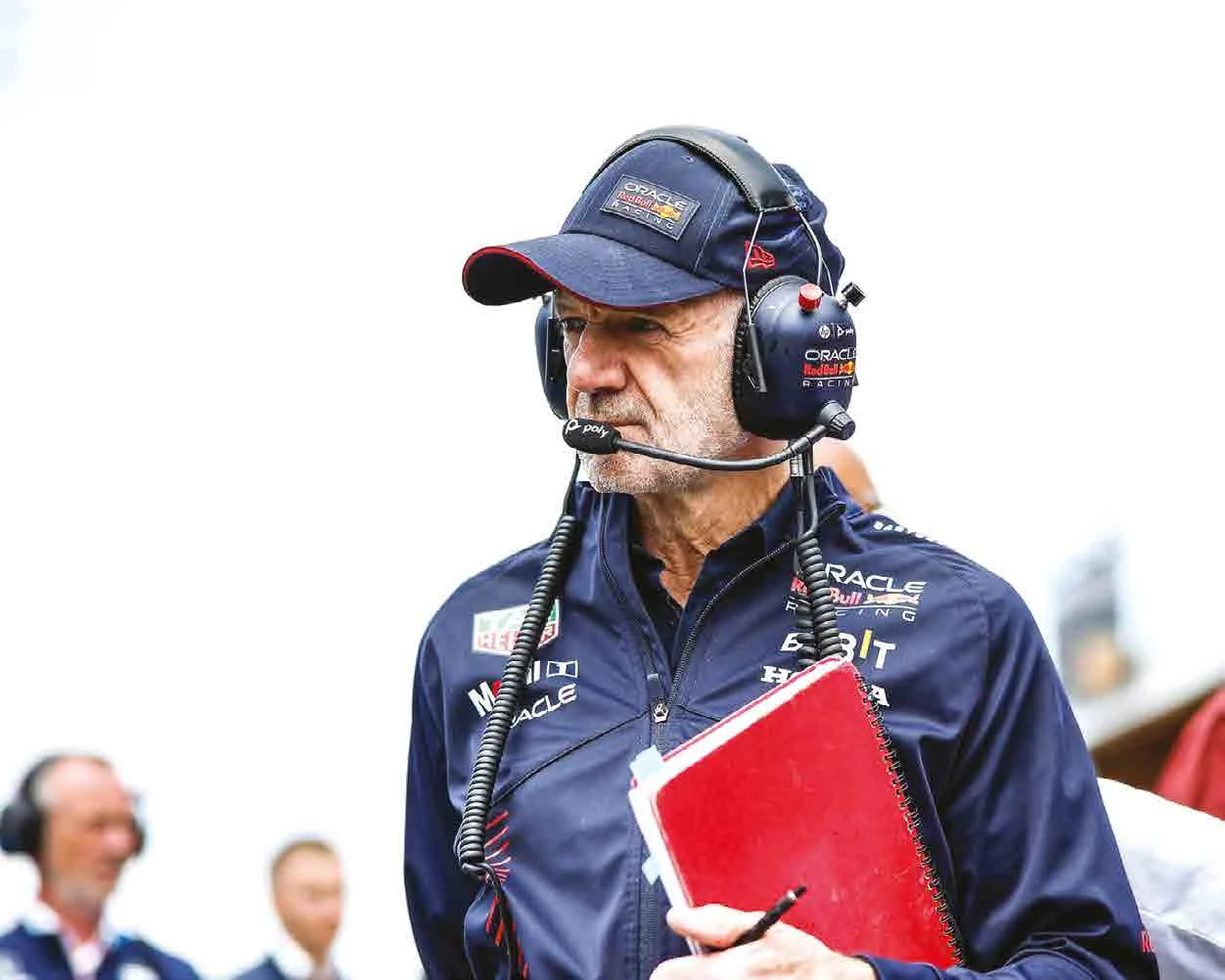
Designer of legendary single-seaters for Williams, McLaren, and Red Bull including the cars that drove Prost, Häkkinen, Vettel, and Verstappen to victory thereby distinguishing himself across different eras of automotive engineering.
70 Born on December 26, 1958, in Stratford-upon-Avon, England, Newey demonstrated an almost obsessive fascination with vehicle design from a very young age. He graduated with a degree in Aeronautics and Astronautics from the University of Southampton in 1980. Immediately after graduating, he rapidly advanced through various racing categories, starting with the March F1 team; there, he distinguished himself in American motorsport by designing the March 85C chassis the car that won the 1985 Indianapolis 500 and secured the CART/IndyCar championship.
In 1988, he returned to F1, designing for the Leyton House team and demonstrating that extreme aerodynamics could enable a car with a significantly less powerful engine to compete directly with the giants of the era.
Newey is the only engineer in F1 history to have won 12 Constructors’ Championships with three different teams: Williams, McLaren, and Red Bull Racing. Williams: he designed the iconic FW14B, FW18, and FW19, incorporating active suspension and optimizing airflow. McLaren: with the MP4/13 and MP4/14 cars, he overcame Ferrari’s dominance through radical aerodynamic innovations. Red Bull Racing: becoming Technical Director of a newly formed team, he created the dominant RB6–RB9 and RB16B–RB19 lineages.
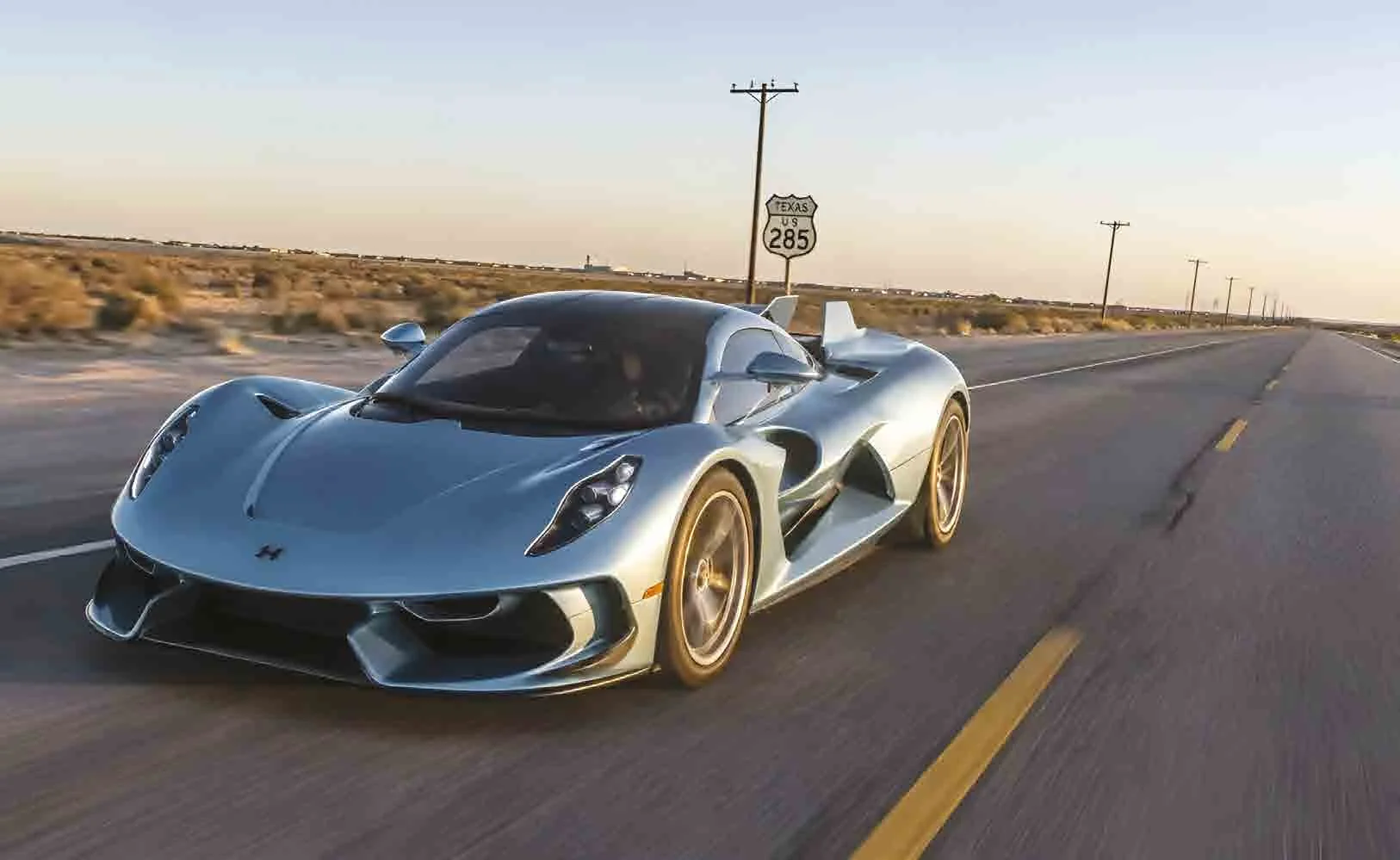
Working with Red Bull and Aston Martin, he designed the Aston Martin Valkyrie a V12 hypercar that generates F1 level downforce via a massive underbody Venturi tunnel as well as the Red Bull RB17. The latter, his final project with the firm, is a two-seater track car boasting over 1,000 hp, featuring pure ground effect and active aerodynamics unconstrained by racing regulations.
Newey has immortalized himself among modern engineers through his working method; in a world dominated by software, he continues to sketch his initial ideas by hand on paper at his iconic technical drawing board.