Cambios en la suspensión
Rule that optimizes performance
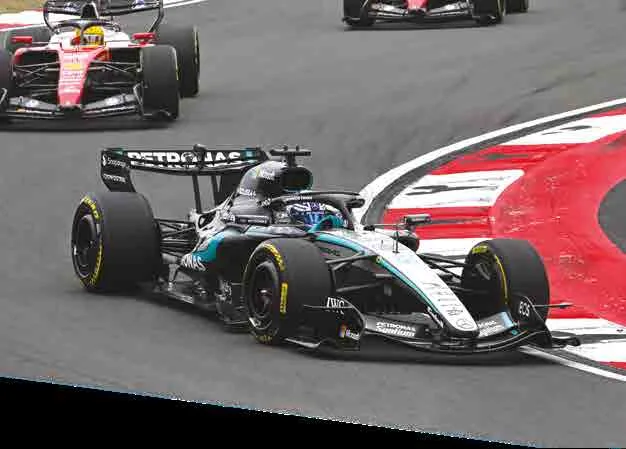
Suspension architecture is crucial to aerodynamic efficiency. In the 2026 season, F1 teams are adopting front and rear pushrod and pull-rod configurations to maximize performance.
The F1 regulations for the 2026 season are once again top-notch, and it seems the FIA’s technical experts haven’t managed to satisfy either the drivers or the public with the changes made since last year. In this sense, each modification generates new features, but also different interpretations among team members, giving rise to various trends.
Regarding the suspension system, half the grid adopted the pull-rod setup, while the other half intends to continue with the opposite philosophy, opting for the push-rod. It’s important to understand that, in F1, push-rod and pullrod suspensions differ in the location and direction of the linkage: the push-rod pushes upwards (mounted low on the wheel, high on the chassis), and the pull-rod pulls downwards (mounted high on the wheel, low on the chassis). Push-rods are notable for their mechanical accessibility, while pull-rods are advantageous for lowering the center of gravity.
For this season, five teams opted for the push-rod configuration, having followed the opposite approach last year. These teams are Red Bull and Racing Bulls, as well as Mercedes and Haas, which share mechanical components with Ferrari. Only two teams indicated they would use the pull-rod system: Cadillac and Alpine, whose cars took to the track to verify its proper functioning. In the previous ground-effect technical cycle, teams had adopted the front pull-rod system for aerodynamic reasons.
The challenges for the 2026 cars are different. It’s no coincidence that many teams are considering a front pushrod wing, as it’s a simpler solution in terms of setup interventions because its components are located at the top of the cockpit.
In 2026, the external mounting points of the front suspension will be moved higher (previously -40mm, now about -100mm). The rear suspension remains the same. A small change in regulations, but a big one in performance, offering better airflow and more efficient suspension, but also a more complex design and more delicate adjustments.